Biology
Walking Learning: Boost Academic Performance by 60%
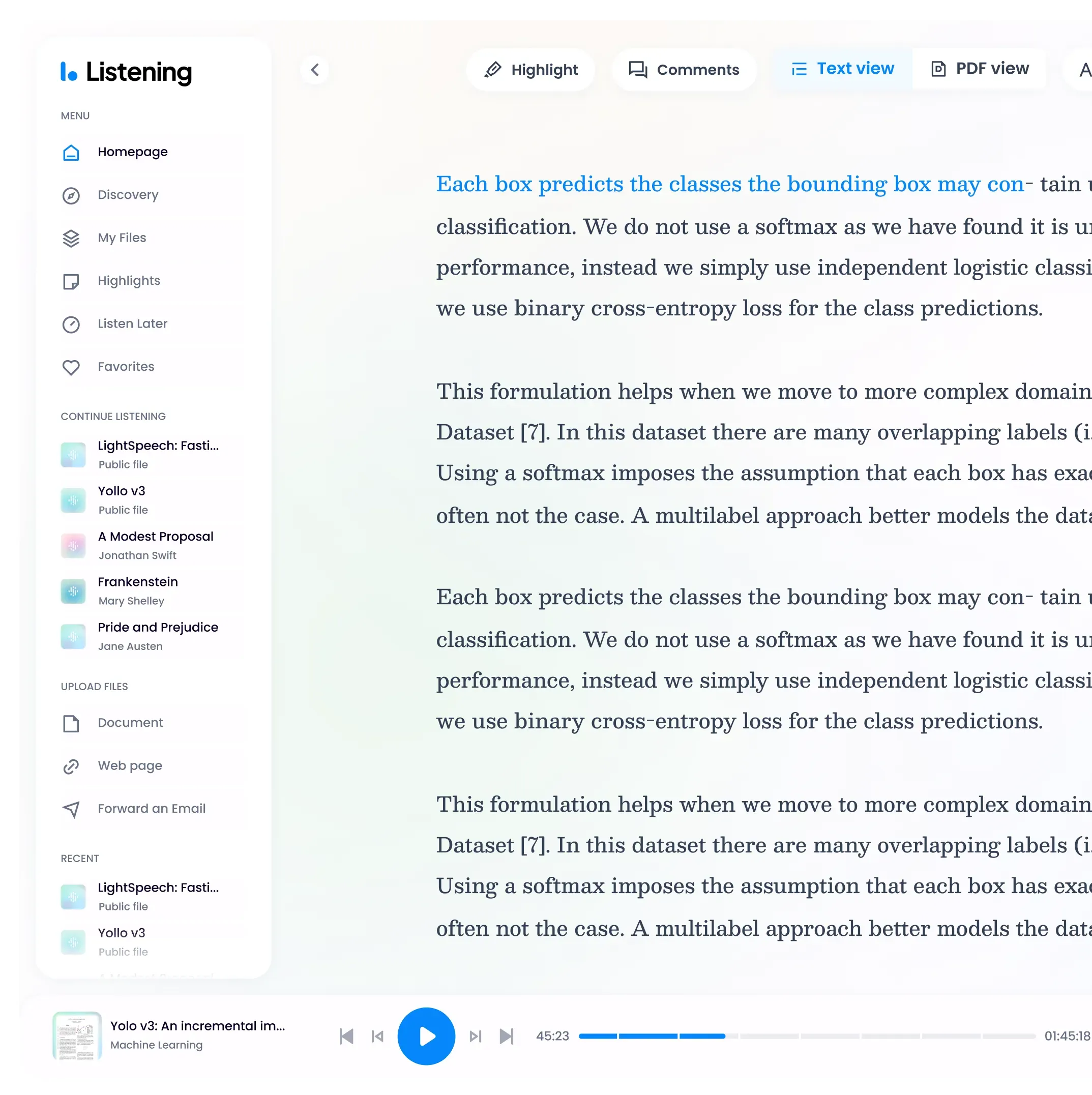
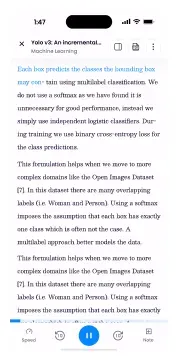
Turn your daily walks into productive learning sessions. Listen to academic papers, research, and study materials while getting exercise and fresh air.
Biology History
 Comp Sci
Turn your daily walks into productive learning sessions. Listen to academic papers, research, and study materials while getting exercise and fresh air.
BiologyHistoryComp SciWalk and learn simultaneously
Turn your daily walks into productive learning sessions. Listen to academic papers, research, and study materials while getting exercise and fresh air.
Combine physical activity with mental stimulation for a healthier, more productive routine.
No need to carry books or look at screens - just listen and absorb information naturally.
Studies show that walking outdoors can improve concentration and information retention.
Researchers transform 60 minutes of daily walking into academic advancement
Students process 3x more research papers in same time through walking
Academic institutions maintain fitness while advancing academic career goals
Independent scholars enhance cognitive skills and academic performance
Stanford research reveals that walking increases creative output by an average of 60% compared to sitting, with the benefits applying specifically to divergent thinking and idea generation - exactly what students and researchers need for comprehending complex academic material. This isn't just casual correlation: studies using EEG brain monitoring show that outdoor walking produces measurable increases in P300 brain activity, the neural response associated with attention and working memory that's crucial for academic learning.
Unlike traditional multitasking which impairs performance and increases errors, walking-based learning works because walking is an automated task that doesn't compete for cognitive resources. Research confirms that students demonstrate significantly higher learning retention when walking and listening to educational content versus sitting, plus improved performance on cognitive tests administered post-walk. The walking advantage extends beyond retention to mood enhancement, with studies showing positive affect increases during walking-learning sessions while sitting-learning produces negative emotional responses.


Students report better comprehension with audio, saying it helps them grasp concepts rather than just memorize facts.

Great way to listen to papers during my commute. Finally, a voice that doesn't sound like a robot.

Already thoroughly impressed! I've used Natural Reader for a while, but this is cheaper, designed specifically for academic papers (e.g., organizes into typical paper sections like abstract and findings), and, in my opinion, has a more natural flow in the AI voice. HIGHLY recommend!
The app is impressive, easy to listen to, no robotic voice, easy to use. Productive use of my driving time. Would recommend.
I tried a lot of text-to-speech apps before finding listening. From the purpose of reading academic books or papers it takes the top spot. It reliable skips footnotes and other content I do not want read out, and this cannot be said for other apps. I’m impressed.

Already thoroughly impressed! I've used Natural Reader for a while, but this is cheaper, designed specifically for academic papers (e.g., organizes into typical paper sections like abstract and findings), and, in my opinion, has a more natural flow in the AI voice. HIGHLY recommend!
The app is impressive, easy to listen to, no robotic voice, easy to use. Productive use of my driving time. Would recommend.

Great way to listen to papers during my commute. Finally, a voice that doesn't sound like a robot.
Already thoroughly impressed! I've used Natural Reader for a while, but this is cheaper, designed specifically for academic papers (e.g., organizes into typical paper sections like abstract and findings), and, in my opinion, has a more natural flow in the AI voice. HIGHLY recommend!
The app is impressive, easy to listen to, no robotic voice, easy to use. Productive use of my driving time. Would recommend.
I tried a lot of text-to-speech apps before finding listening. From the purpose of reading academic books or papers it takes the top spot. It reliable skips footnotes and other content I do not want read out, and this cannot be said for other apps. I’m impressed.
Already thoroughly impressed! I've used Natural Reader for a while, but this is cheaper, designed specifically for academic papers (e.g., organizes into typical paper sections like abstract and findings), and, in my opinion, has a more natural flow in the AI voice. HIGHLY recommend!
The app is impressive, easy to listen to, no robotic voice, easy to use. Productive use of my driving time. Would recommend.